

-
Lifting innovation takes centre stage at LiftEx 2026 - October 28, 2026
-
Finding the ‘right-size’ packaging solution for your business just got easier - October 27, 2026
-
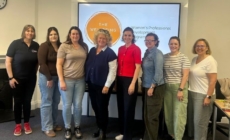
BCMPA launches Women in Leadership Programme with The Wellbeing Focus - October 26, 2026
-
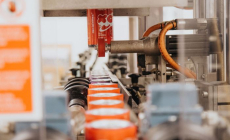
Prism launches UK’s first fully integrated concept-to-shelf drinks development service - October 20, 2026
-
How to survive packaging’s peak season - October 19, 2026
-
Forterro Launches industry rich AI platform: MyForterro.ai - October 15, 2026
-
Retail supply chains Still Waiting For AI-Powered Shopping Revolution - October 15, 2026
-
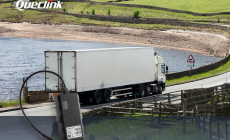
QUECLINK WINS 2026 AUTOTECH BREAKTHROUGH AWARD FOR INNOVATIVE SATELLITE-ENABLED VEHICLE TRACKING SOLUTION - October 15, 2026
-
Are you getting the best value from your forklift fleet? - October 14, 2026
-
Forgepoint raises $9.8M to help manufacturers quote faster and win more business - October 14, 2026

‘Blue Planet II’ Demonstrates Mainstream Media’s Role in Driving Consumer Behavior Change.
Sustainability is increasingly becoming an integral part of business practice, but consumers continue to hold the key to achieving long-term change — a concept that has been widely observed by consulting firms and multinational corporations alike. New data from online search behavioral specialist Hitwise reaffirms this and demonstrates how mainstream television can be used to inspire consumers into action.
The study centered around Blue Planet II, a nature documentary series by the BBC focused on marine life and the impact of humans on ocean health, and its effect on increasing awareness of recycling and sustainability. According to Hitwise’s analysis, there was a surge of interest in plastic recycling following the program’s finale, with online searches for the term increasing by 55 percent. The firm also saw a doubling of the number of people searching for the dangers of marine plastic pollution.
In addition to the piqued interest in plastics recycling, Hitwise noted a hike in interest in and engagement with environmental nonprofit organizations, particularly the Marine Conservation Society, which saw a 169 percent jump in visits to its website. The number of people searching for the World Wildlife Fund (WWF) increased 51 percent either side of the first episode of Blue Planet II, and there was a 35 percent increase in visits to the Plastic Oceans Foundation.
Recognizing the important opportunity Blue Planet II presented to engage a larger audience around important environmental issues and how consumers can be part of the solution, organizations doubled up their efforts on social media.
“The results for us were impressive…some of the best social media engagement figures we’ve ever seen, and a significant increase in new WWF members during and after each episode,” said Luke Upchurch, Head of Communication and Digital at WWF.
“We saw Blue Planet II as a fantastic opportunity to engage the public on conservation issues. We posted on Twitter and Facebook during each episode; reacting in real time to the incredible footage and providing insights on the impact humans are having on our oceans. This allowed us to talk about the threats and the solutions that WWF is working on to a whole new audience. For us, this is yet further evidence that the UK public care immensely about our planet, and, when presented with easy and inspiring ways in which they can help, are very keen to play their part in protecting our oceans.”
While it is clear that consumers are increasingly rallying around environmental issues — and demanding that businesses do the same — there still exists a gap between awareness and action. It’s too early to tell if the trends identified by Hitwise will result in long-term consumer behavior change, but the spike in new WWF members and number of Twitter users swearing off plastic bags after the final episode of Blue Planet II is certainly encouraging.
First published by sustainablebrands.com