Logistics sector facing severe skills shortage in next five years, CILT finds
June 28, 2019
New report from Chartered Institute of Logistics and Transport (CILT) and Statista highlights recruitment issues ahead in the logistics sector
The logistics sector is bracing itself for a tough time with recruitment in the coming years thanks to low wages and a lack of relevant skills. That’s according to a new joint report from the Chartered Institute of Logistics and Transport (CILT) and Statista.
According to the report, 54% of logistics companies are expecting skills shortages to increase over the next five years, whereas 21% are uncertain as to their future recruitment ability, and only 4% expect the skills shortage to improve.
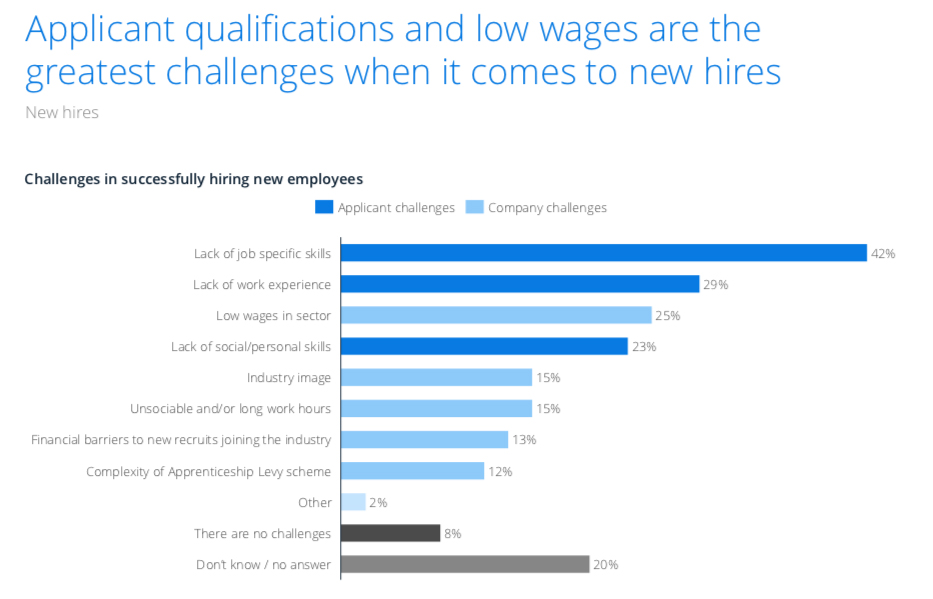
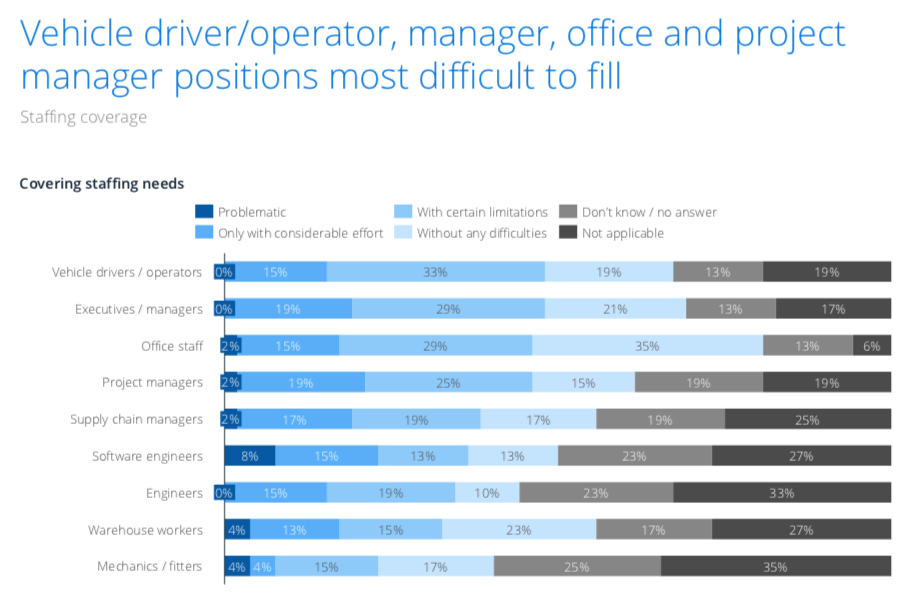
While office staff, vehicle drivers and warehouse workers are the most likely to be in high demand, software engineers, project managers and executives are the hardest roles to fill. 42% of logistics firms cite lack of job-specific skills as the main barrier to successful recruitment, with lack of work experience (29%), and low wages (25%) the other most common challenges.
As the logistics sector is looking to invest more in technologies to drive efficiency, software engineers in particular are proving the most difficult to recruit, with 23% of logistics saying that it is “problematic” to recruit tech talent, or only possible with “considerable effort”.
These are the findings from a report entitled UK Logistics Monitor 2019 by CILT and Statista, which offers a comprehensive overview of the market situation in the UK logistics sector — identifying current developments and trends, while offering insights into human resources, recruitment, health and safety and the impact of Brexit on the sector.
In an attempt to make the logistics sector a more attractive industry in which to work, UK logistics firms are implementing flexible working patterns, focusing on diversity, and improving career paths. However, a lack of time and interest on training on the part of employees may hinder these efforts to retain staff.
Kevin Richardson, chief executive at CILT said: “In terms of recruitment, the next few years are going to be a concern for logistics firms in the UK. We are seeing the uncertainty that surrounds Brexit force the problem to worsen as employees seek to find career paths that offer more stability.
“There needs to be more done to attract talent to the industry. Logistics is hugely important to the UK economy, and if the sector is struggling to recruit the effects will be felt by other industries that rely on logistics to operate effectively.”