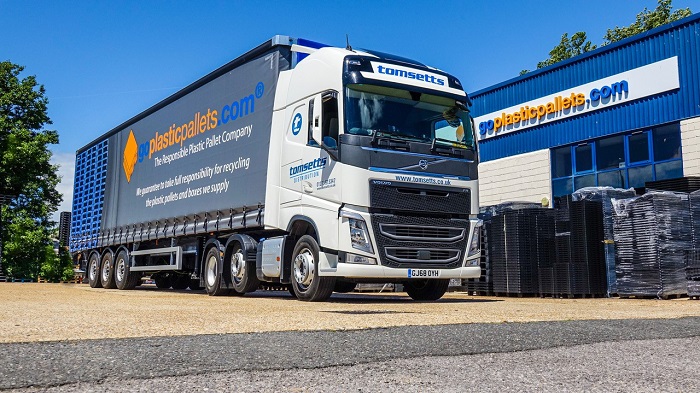
goplasticpallets.com, the UK’s leading provider of sustainable plastic pallets and boxes, has today (Wednesday 10th July) invited the new Chancellor of the Exchequer, Rachel Reeves, to discuss “much-needed reform” to the Plastic Packaging Tax (PPT). In an open letter sent to Reeves, Managing Director Jim Hardisty outlined the detrimental effects the current tax framework is having on those businesses promoting green logistics practices and products.
Since its introduction in April 2022, the PPT has targeted companies that manufacture or import plastic packaging with less than 30% recycled content. However, the criteria includes durable items like plastic pallets and pallet boxes, which are designed to last up to 15 years, sparking significant industry opposition.
Hardisty’s letter highlighted the financial strain on Eastbourne-based goplasticpallets.com, which has paid in excess of £335,000 in PPT over the last two financial years. He argued that the tax, as it stands, penalises eco-friendly products and hampers investments in sustainability.
“The PPT, as currently structured, penalises the use of virgin plastic in products designed for long-term use, such as plastic pallets, pallet boxes, and crates. I believe this tax was intended to curb single-use plastics and promote recycling, but its application to durable goods like ours is misguided. Products that last 10 to 15 years – and actively reduce deforestation by decreasing the need for wooden pallets – should not be classified as “packaging,” especially when single-use items like cases for reading glasses and drills are exempt,” he writes.
“To clarify, 93% of the products we supply are made from recycled materials, underscoring our commitment to sustainable supply chains. However, certain sectors, such as food production and pharmaceuticals, require products to be made from virgin materials to comply with industry regulations. This raises an important question: is it appropriate to tax these essential products?”
Hardisty extended an invitation to Reeves for a discussion on restructuring the PPT to better support sustainable practices. He emphasised The Labour Party’s election promises on green energy and sustainability, urging that the PPT reform aligns with these goals.
“A tax policy that differentiates between single-use plastics and sustainable long-term alternatives would better promote environmental responsibility without penalising eco-conscious businesses,” he added.
Commenting on the open letter, Hardisty, said: “We have always said the general idea behind the Plastic Packaging Tax was a good one, but the previous government made some grave errors when mapping out which products should be taxed and which ones shouldn’t. We still believe changes to the criteria are much-needed. Our previous efforts to get Rishi Sunak around a table for a discussion fell on deaf ears, but we can only hope Rachel Reeves is more willing to do so – otherwise the logistics industry may continue to suffer.”
Read the letter in full here; https://www.goplasticpallets.com/news/plastic-packaging-tax-new-government-new-perspective