Against the current backdrop of soaring inflation and energy costs, loading and unloading specialists Thorworld Industries is urging distribution businesses to take advantage of potential efficiency savings through changes to their loading operations to help weather a challenging economic climate.
Despite government support in the form of the Energy Bill Relief Scheme, UK businesses are still facing a substantial increase in costs compounded by pre-existing labour shortages and rampant inflation. These factors are driving distribution firms to find efficiencies wherever possible, with improvements to loading operations representing a significant opportunity to do so.
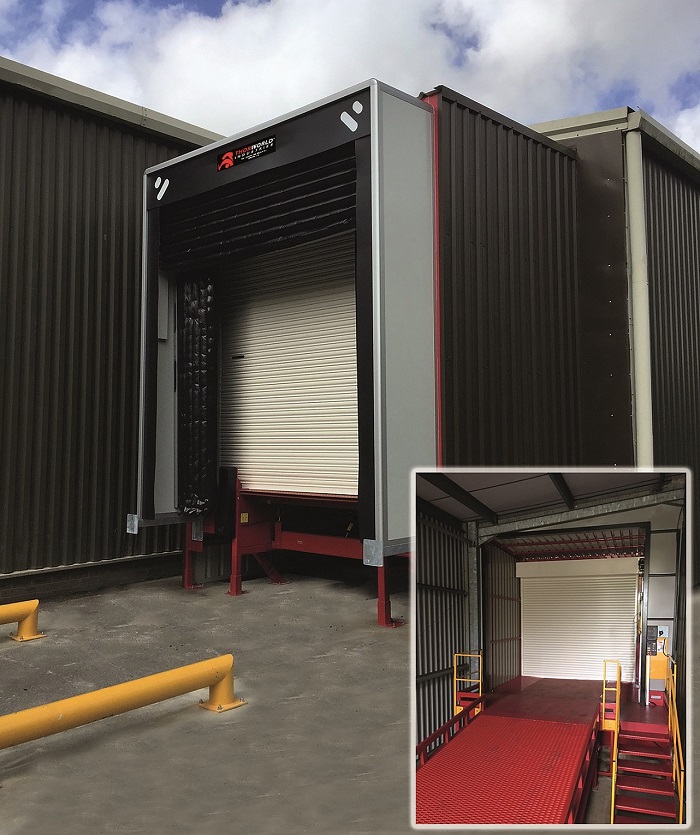
With historically high energy costs, reducing consumption wherever possible is a priority for many businesses. One way to achieve this is ensuring that warehouses and loading areas are as energy efficient as possible through implementing loading dock seals or shelters.
Dock seals or shelters are designed to protect both people and goods from temperature fluctuations during loading and unloading and bring considerable energy savings. Widely used in temperature critical businesses such as food manufacture – standard distribution businesses still stand to reap the benefits of these energy savings.