Less than one in five of forecasted businesses have registered for the Plastic Packaging Tax (PPT) since its launch in April 2022, casting doubts on the effectiveness of the levy and whether it is achieving its environmental goals. The low registration rate and “baffling qualifying criteria” has led to calls to thoroughly reform or completely scrap the tax.
A recent Freedom of Information (FOI) request from goplasticpallets.com has revealed that only 3,426 businesses (17%) of HMRC’s forecasted 20,000 manufacturers and importers of plastic packaging signed up for PPT between its introduction on 1 April 2022 and 16 February 2023.
PPT applies to plastic packaging manufactured in, or imported into the UK, that does not contain at least 30% recycled plastic. A lack of clarity surrounding the qualifying criteria has been cited as one reason behind the low registration rate, whilst HMRC has also received criticism for determining which companies and products are subject to the tax.
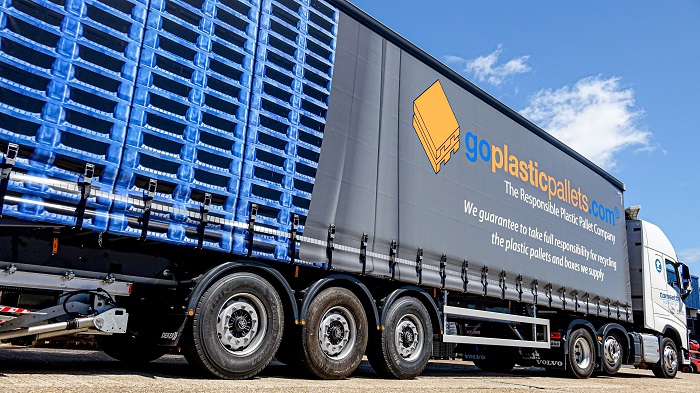
goplasticpallets.com argues that it has been unjustly targeted by the PPT, bearing a disproportionate financial burden despite their environmentally-friendly practices and products. The company offers the largest range of sustainable plastic pallets and pallet boxes in the UK, the majority of which are made from recycled plastic; however, a limited number are made from virgin plastic, and therefore subject to the tax.
Jim Hardisty, Managing Director, said: “I do believe HMRC started off with good intentions by looking to drive down the use of single-use and limited-use plastics and packaging, such as plastic water bottles, food packaging, shrink wrap, etc. However, as more people asked questions due to a lack of clarity, it became apparent there was no logic or consistency around qualifying criteria. It was at this point that we were informed our virgin products would be subject to the tax. It’s baffling.
“The plastic pallets we supply to our customers are robust, durable and will often last 10 or 15 years within the supply chain – they should not be considered “packaging”. In fact, they offer an eco-friendly alternative to traditional wooden pallets, which are often discarded after a few supply chain cycles and contribute to deforestation. We have long been a sustainability-focused business, through our products, our industry-first recycling scheme, and the work we do with charities and environmental organisations. It’s bizarre that we are being penalised for something we are fighting against – the prevalence of single-use plastic.”
According to the same FOI request, HMRC’s revenue target for PPT appears to be on track despite the low registration rates. The department collected approximately £195 million from April 2022 to the end of January 2023, after initially estimating £200 million for the entire year, before later revising it to £300 million.
Hardisty revealed that goplasticpallets.com has already paid £146,667 so far, covering three-quarters of the first year of PPT, with the total figure expected to surpass £200,000.
He said: “Given that HMRC originally projected 20,000 companies would pay £200 million in the first year, averaging £10,000 each, it seems that goplasticpallets.com is paying significantly more than anticipated for selling environmentally beneficial products.
“There’s a clear gap between the government’s expectations and the reality of the tax’s implementation. My message would be to scrap it completely and start again with a focus on single-use plastic. I’m willing to meet with Rishi Sunak, who was Chancellor of the Exchequer when PPT was devised and introduced, to fight the case of sustainably-focused businesses like us, who have been battered by a tax that just isn’t fit for purpose.”