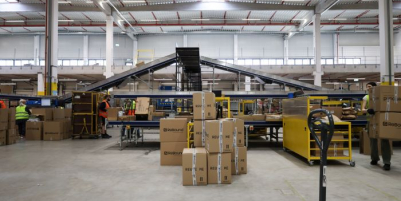
Despite flexible working becoming increasingly popular in the UK in recent years, it seems logistics and freight is an industry that has not yet embraced the demand. According to a report1, only 8% of young people view logistics as an appealing career prospect. From improved productivity levels to attracting top talent, implementing flexible working within a company could have a plethora of benefits, so it is important for the logistics sector to keep up with this.
Here, experts in CPC training online, Driver Hire, discuss why businesses should consider flexible working as part of their culture and how it could be the future of the logistics industry.
Happier workforce
Many logistics roles require demanding hours and, whilst this is unlikely to change through flexible working, giving employees the opportunity to work their shifts around their lifestyle, gives them an element of control. This will inevitably help people enjoy their job day-to-day and cause them to be happier at work. By giving members of staff the option of how and when to work, it encourages a culture of ‘give and take’ where employees are more obliged to step up and help out during peak or busy periods.
Attract top talent
With more and more people wanting the opportunity to work remotely and flexibly, incorporating this into your company ethos could give your organisation a competitive edge when it comes to recruitment. Candidates are more likely to opt for a company where they feel they have more control and can work shifts around their commitments, whether it be school pick-ups, charity work or exercise.
Encourages diversity
A lack of flexible working hinders opportunities for women to work in senior roles. Balancing childcare and long, rigid hours can be near impossible, so by adopting flexi-time, you are encouraging more diversity in these levels. This will encourage women to strive for these positions and formulate a more inclusive and diverse environment. As well as catering for working mums, it is allowing employees to diversify as a person. It acknowledges that employees have a life outside of the office and gives them a chance to develop hobbies and interests outside of work, such as volunteering, cooking or simply going to the gym.
Productivity levels
When given more freedom, employees are more likely to feel focused on the job in hand. Changing work patterns, processes or locations helps to keep routines fresh and interesting, meaning staff are less likely to feel flat and stagnant. Having a focused and driven team will be a much more effective use of company time and resource and you are much more likely to be able to deliver good quality work, at the standard demanded by the industry.
Improved output
If productivity improves, so will profits. Incorporating flexible working will mean staff will be focused on the job itself as well as the wider business goals and will feel motivated to strive for success. If employees are happy, well rested and have a good work life balance, they are less likely to make errors or inaccuracies on the job, something that will save the business both time and money.
Logistics is a rapidly evolving sector, so it is important that businesses go further in their attempts to create flexible working environments for existing and prospectus employees. The move towards a more flexible and agile working world is fast becoming a reality and, with benefits including an engaged workforce, improved profits and a diverse workforce, it is clear that the logistics sector has a lot to gain.