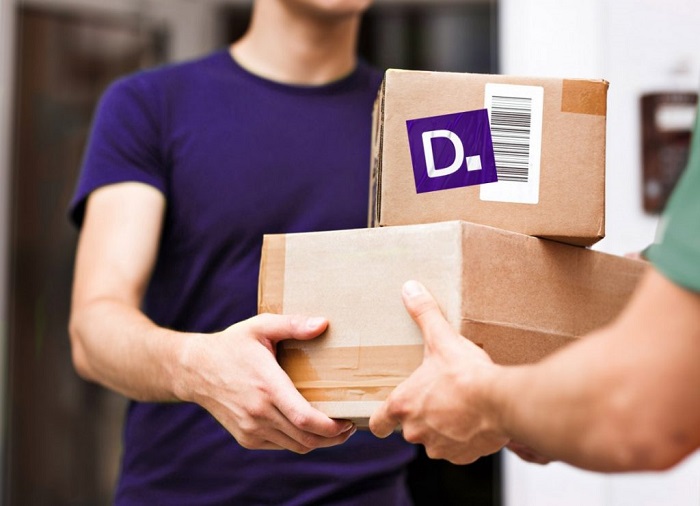
Carriers need do more to address the increasing crisis around returns and provide a viable solution to retail customers as growing ecommerce has driven an alarming shift in its significance. This is according to the latest research, commissioned by global e-commerce technology provider Doddle, to highlight the retailers’ experience of returns, and to identify the areas in which carriers can help meet the needs of their customers.
“As we see it, the postal and carrier market is divided,” comments Tim Robinson, CEO of Doddle. “For many, returns are simply not their problem – the pain is not theirs, and returns are just a source of additional volume. There are others, though, who see that they can lead on this issue by solving the problem for their customers, and these are the businesses gaining in market share and relevance.”
The research found that 57% of merchants believe that returns are a “significant” problem. “While they believe their processes are good, they acknowledge that improving those processes is currently a high priority. They appreciate this is a key point of competition between retailers, and a key point upon which customers base their purchasing decisions,” explains Tim.
Cost was the primary concern for retailers. It is estimated that returns can cost between 20% and 65% of the product’s original value to process, and online returns cost twice as much as returns of goods purchased in store. ECommerce returns also happen two-to-three times more often, take far longer to become available for resale, and in general have a more detrimental impact on retail margins.
As a result almost two thirds of retailers consider improving returns to be a high priority for their business. “At Doddle we are already working with carriers around the world to make ecommerce delivery and returns more efficient, customer-friendly and useful,” concludes Tim. “The majority of merchants are finding returns challenging. They’re an obstacle to growth, and getting them right drives success for merchants of all sizes. Improving their returns is a priority, and most would be willing to work with a carrier to make that happen.”
“For carriers, they have a clear choice – to provide for their customers, or to allow another business to fill the gap, whether they are a direct competitor in the parcel market or a technology player. Allowing either to take control of a growing source of volume and a key determinant of ecommerce success would be a strategic mistake.”